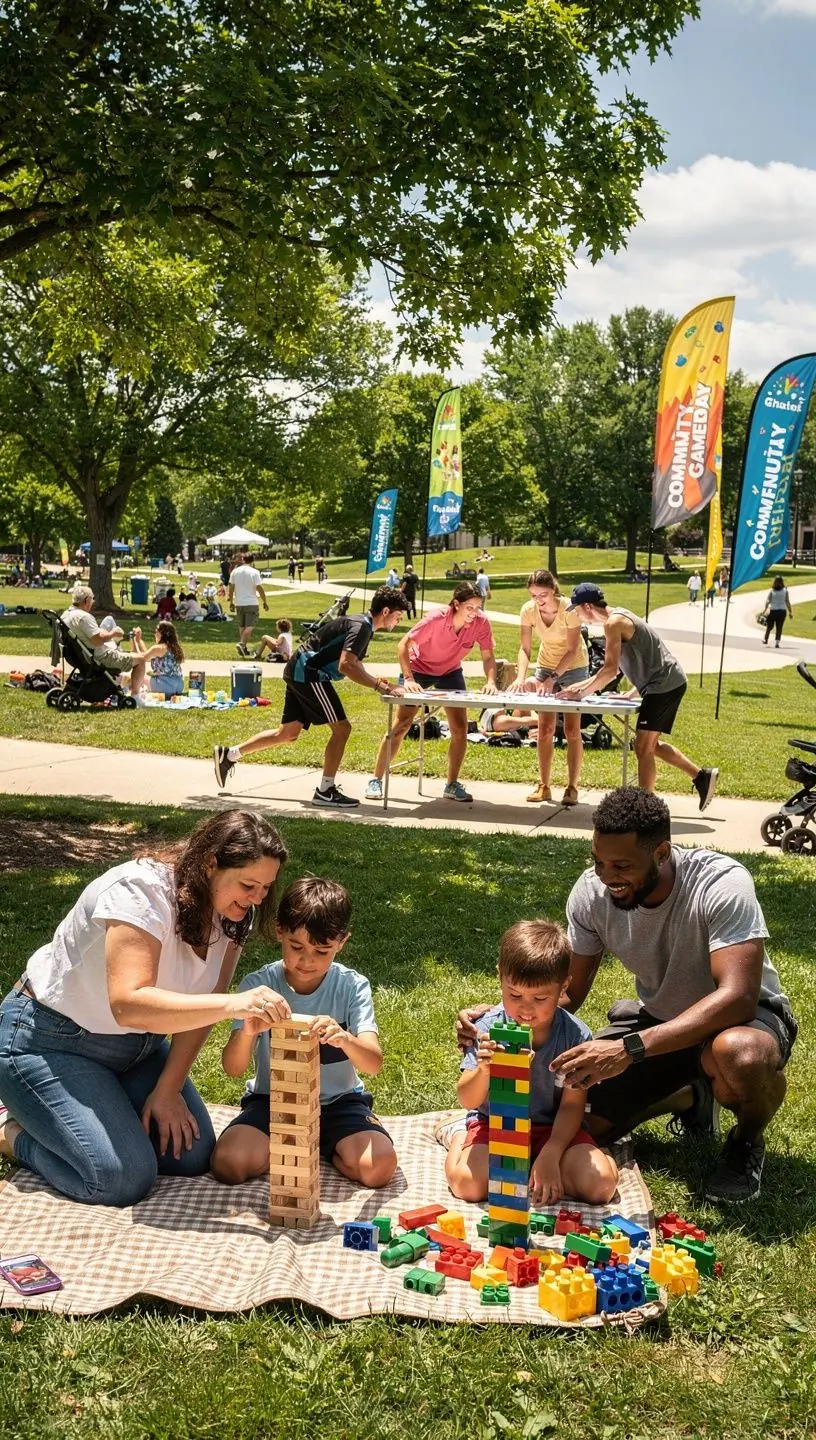
Understanding the Role of Meetups in Community Building
Meetups serve as essential platforms for community engagement, allowing individuals to connect over shared interests. This article explores the significance of meetups in fostering community ties and enhancing social interaction.
The Importance of Social Connections
According to research by the Pew Research Center, social connections are vital for emotional well-being and community resilience. Meetups play a crucial role in creating opportunities for social interaction among diverse groups, which can significantly strengthen community bonds.

"Engaging in social activities can lead to improved mental health and a sense of belonging," states Dr. Samantha Green, a social psychologist.
How Meetups Foster Community Engagement
Meetups typically provide a structured way for individuals to gather, share ideas, and engage in activities that interest them. Here are some ways meetups contribute to community building:
- Creating Safe Spaces: Meetups often establish friendly environments where participants feel comfortable expressing themselves and sharing experiences.
- Encouraging Collaboration: Many meetups focus on collaborative projects, enhancing a sense of teamwork and joint purpose among members.
- Highlighting Local Culture: Cultural meetups, such as those focused on local art or traditions, can strengthen community identity and pride.
Practical Insights for Organizing Effective Meetups
When organizing meetups, several best practices can enhance their effectiveness:
- Define Clear Objectives: Establish what you hope to achieve with the meetup, whether it is networking, skill-sharing, or simply socializing.
- Choose Accessible Locations: Locations should be convenient and welcoming, ensuring that they are easily reachable for all community members.
- Promote Inclusivity: Aim to create an inclusive environment by considering the diverse backgrounds and interests of participants.
Challenges and Considerations
While meetups can be beneficial, there are some challenges to consider:
- Time Commitment: Organizing and attending meetups typically requires a commitment of time and effort, which may not always be feasible for busy individuals.
- Engagement Levels: Maintaining high levels of engagement can be challenging as interests may vary, and some participants may drop out over time.
- Resource Limitations: Organizers may need to manage limited resources, such as space, funding, and promotional efforts.
Conclusion
In summary, meetups play a significant role in community building by fostering social connections and encouraging active participation. By understanding the processes, benefits, and challenges of organizing meetups, community members can create effective spaces for engagement. Ultimately, while not without challenges, meetups can help cultivate a vibrant and connected community.
Learn More