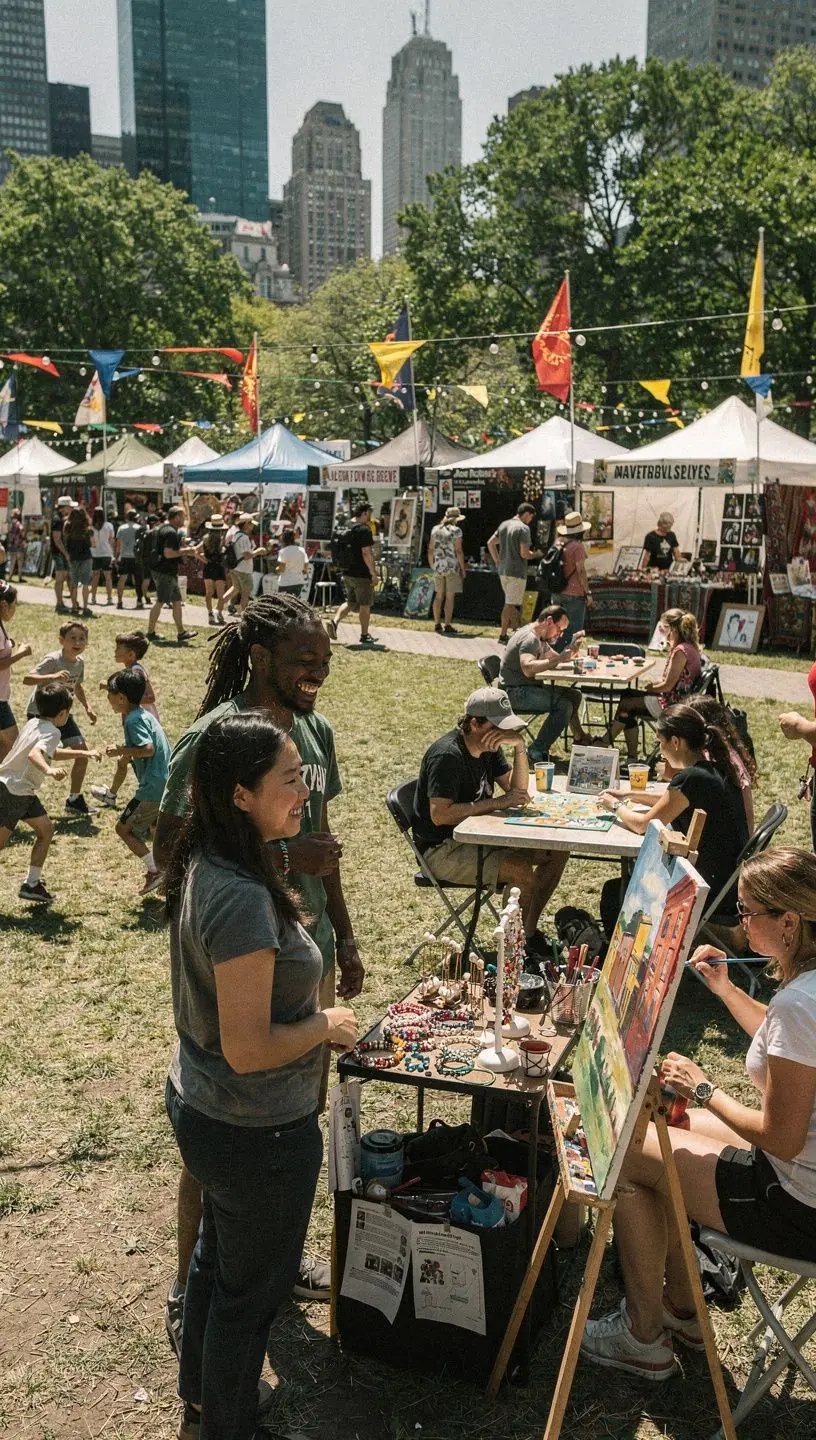
How to Foster Inclusivity in Community Gatherings
Creating an inclusive environment is essential for successful community gatherings. This article explores effective strategies to ensure that everyone feels welcome and valued.
Understanding the Importance of Inclusivity
Inclusivity in community gatherings refers to creating spaces where individuals from diverse backgrounds can participate freely and feel accepted. Research indicates that inclusive environments can lead to higher levels of engagement and satisfaction among participants. In fact, many communities report that when inclusivity is prioritized, it often fosters stronger relationships and collaboration.
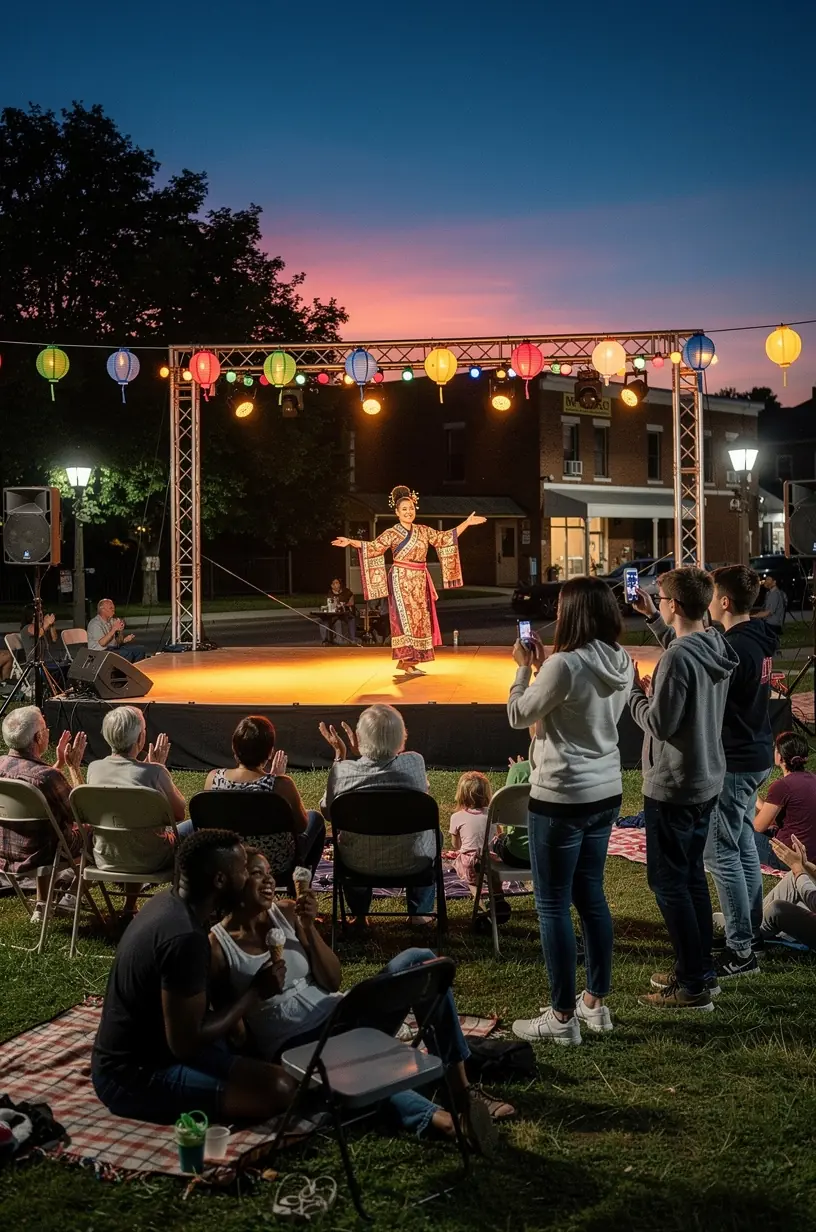
"Inclusivity is not just a nice-to-have; it’s essential for the growth and vitality of any community." - Community Engagement Expert
Practical Strategies for Fostering Inclusivity
- Encourage Diverse Participation: Actively seek input from various community members. This can be done through surveys or informal discussions. Experts recommend that inclusive events reflect the community's demographic diversity to engage a wider audience.
- Adapt Event Formats: Consider flexible formats that cater to different needs and preferences. This might include offering both virtual and in-person options for attendance, which studies show can enhance participation by accommodating those with mobility issues or scheduling conflicts.
- Provide Resources: Ensure that all participants have access to necessary resources, such as language translation services or materials in multiple formats. This approach helps to break down barriers and fosters a sense of belonging.
Creating an Inclusive Atmosphere
To cultivate an inclusive atmosphere, community organizers should focus on communication style and event accessibility. This involves:
- Using Inclusive Language: Language plays a significant role in how people perceive belonging. Employing gender-neutral terms and avoiding jargon can help make communication clearer and more welcoming.
- Training Volunteers: Providing inclusivity training for event staff and volunteers can prepare them to handle diverse situations and foster a welcoming environment.
- Soliciting Feedback: After events, gather feedback from participants to understand their experiences. This can help identify areas for improvement and communicate that their voices are valued.
Acknowledge Limitations and Set Clear Expectations
While it is commendable to aim for inclusivity, it's important to acknowledge that this process typically requires time and effort. For instance, implementing these strategies may take several months to yield noticeable improvements in participation rates. Industry experts suggest that organizations commit to ongoing evaluations and adaptations to ensure the inclusivity efforts remain effective and relevant.
Conclusion
Fostering inclusivity in community gatherings is not just about improving attendance; it’s about building a thriving community where everyone feels they have a voice. By implementing these strategies and setting realistic expectations, community organizers can create gatherings that are not only engaging but also enriching for all participants. Remember, the journey toward inclusivity is ongoing and requires dedication, but the rewards can create lasting benefits for the entire community.
Learn More